-
- -
-

Learn More Form Our Latest Analysis – https://virtuemarketresearch.com/report/sleep-sensor-market
One of the key long-term drivers of the Sleep Sensor Market is the increasing awareness of sleep health. Over the past decade, people have become more aware of the importance of good sleep for overall health and well-being. Poor sleep can contribute to numerous health problems, including obesity, heart disease, diabetes, and mental health issues like anxiety and depression. As a result, more individuals are turning to sleep sensors to track their sleep patterns, identify potential sleep disorders, and improve the quality of their rest.
Healthcare professionals are also recognizing the significance of sleep in maintaining a healthy lifestyle. As the awareness of sleep disorders like insomnia and sleep apnea grows, the need for accurate sleep monitoring tools becomes more evident. Sleep sensors can provide valuable insights into sleep stages, sleep duration, and disruptions, which are essential for diagnosing and treating sleep-related issues. This increasing focus on sleep health is expected to drive the growth of the sleep sensor market over the long term.
The COVID-19 pandemic has had a significant impact on the Sleep Sensor Market. During the pandemic, many people experienced changes in their sleep patterns due to increased stress, anxiety, and disrupted routines. As a result, the demand for sleep sensors surged as individuals sought ways to monitor their sleep and improve their overall well-being while staying at home.
Moreover, the pandemic highlighted the importance of health monitoring devices, including sleep sensors, as people became more aware of how lifestyle changes can affect their health. With many healthcare systems overwhelmed by the pandemic, people started relying on consumer health devices like sleep sensors to take control of their own health at home. This trend of self-monitoring is expected to continue post-pandemic, leading to a steady increase in demand for sleep sensor devices.
However, the market also faced challenges during the pandemic. Manufacturing disruptions, supply chain issues, and delays in product launches slowed down the markets growth temporarily. Despite these hurdles, the overall impact of COVID-19 on the sleep sensor market has been largely positive, as it encouraged more individuals to adopt sleep-monitoring technology.
In the short term, the increase in sleep disorders is one of the main drivers of the Sleep Sensor Market. As more people experience sleep issues like insomnia, sleep apnea, and restless leg syndrome, the need for effective sleep monitoring tools becomes more critical. The rise in lifestyle-related health issues, such as stress, poor diet, and lack of exercise, has contributed to a growing number of individuals seeking solutions to improve their sleep quality.
Sleep sensors offer a non-invasive and convenient way for individuals to track their sleep patterns and detect disturbances. These devices can provide valuable data that can be used to adjust sleep habits, create better sleeping environments, and even identify underlying health conditions. The increasing prevalence of sleep disorders is expected to drive short-term market growth, as more consumers turn to sleep sensors for help.
One significant opportunity in the Sleep Sensor Market is the development and adoption of wearable sleep sensors. Wearable technology, such as smartwatches and fitness trackers, has seen significant growth over the past few years. These devices, which often include sleep-tracking capabilities, are becoming more advanced and accurate, making them an attractive option for consumers looking to monitor their sleep.
The demand for wearable sleep sensors is expected to increase, especially as consumers become more accustomed to using fitness trackers for overall health monitoring. Companies in the sleep sensor market are taking advantage of this trend by integrating advanced sensors, such as heart rate monitors and pulse oximeters, into wearable devices to provide more detailed insights into sleep quality. The opportunity to integrate sleep monitoring into popular wearable tech offers companies a chance to expand their customer base and increase sales.
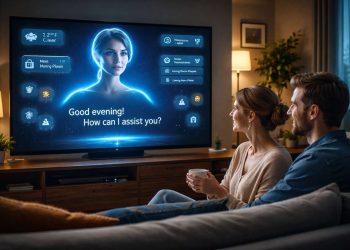
A growing trend in the Sleep Sensor Market is the integration of artificial intelligence (AI) and machine learning (ML) into sleep-monitoring devices. AI and ML algorithms are increasingly being used to analyze sleep data and provide personalized recommendations for improving sleep quality. These technologies allow sleep sensors to not only track sleep patterns but also offer actionable insights based on the users data.
For example, AI-powered sleep sensors can detect patterns in sleep disturbances and provide tailored suggestions, such as adjusting bedtime routines, reducing screen time before sleep, or making environmental changes. As these technologies continue to improve, they will enhance the accuracy and effectiveness of sleep sensors, making them more appealing to consumers. This trend is expected to drive innovation and growth in the sleep sensor market, as consumers seek smarter, more personalized sleep solutions.
Get Your Free Sample Report Now @ https://virtuemarketresearch.com/report/sleep-sensor-market/request-sample
Market Segmentation:
By Product: wearables, non-wearables
The Sleep Sensor Market is divided into two major product types: wearables and non-wearables. Wearables are devices such as smartwatches, fitness bands, and rings that people wear on their body to monitor their sleep. Non-wearables, on the other hand, are devices that are placed on or around the bed or bedroom to track sleep patterns.
In this market segment, wearables are the largest product type. They are widely used because they provide continuous, real-time data on sleep quality, heart rate, and other health metrics. Wearable devices have become increasingly popular due to their convenience, ease of use, and ability to monitor sleep while also offering features like fitness tracking and heart rate monitoring. These devices are highly sought after by health-conscious individuals and those who prefer all-in-one health tracking.
The fastest-growing product during the forecast period is non-wearables. This segment includes devices like smart mattresses, sleep monitoring pads, and non-contact sensors. Non-wearable sleep sensors are becoming more popular as people seek non-invasive methods for tracking sleep without the need to wear a device. With technological advancements in sensor technology, non-wearables are becoming more accurate and capable of providing detailed insights into sleep patterns, making them an appealing choice for consumers.
By Application: Insomnia, Obstructive sleep apnea, Narcolepsy, Others
The Sleep Sensor Market is also segmented by various sleep disorders. These disorders include insomnia, obstructive sleep apnea (OSA), narcolepsy, and others.
The largest application segment in the market is insomnia. Insomnia is one of the most common sleep disorders, affecting millions of people worldwide. Sleep sensors play an important role in monitoring the sleep patterns of individuals suffering from insomnia, helping to identify the causes of poor sleep and providing data that can lead to better treatment options. As the awareness of insomnia increases, so does the demand for sleep sensors in this application.
The fastest-growing application is obstructive sleep apnea (OSA). OSA is a condition where the airway becomes blocked during sleep, leading to breathing disruptions. This disorder is becoming increasingly recognized as a major health concern. The growing awareness of sleep apnea and the need for accurate monitoring devices are driving the demand for sleep sensors tailored to detect and monitor sleep apnea events. With more individuals seeking home-based diagnostic tools, the demand for sleep sensors in this area is expected to rise rapidly.
By Distribution Channel: Specialty clinics, Direct-to-consumer, Hospital, Online Channel, Others
In the Sleep Sensor Market, the distribution channels include specialty clinics, direct-to-consumer sales, hospitals, online channels, and others.
The largest distribution channel for sleep sensors is specialty clinics. Many individuals who suffer from sleep disorders like insomnia or sleep apnea visit specialized sleep centers or clinics for diagnosis and treatment. These clinics often use advanced sleep sensors to monitor patients and gather data about their sleep patterns. The established relationships between healthcare providers and sleep clinics have made them the primary source for sleep sensor sales.
The fastest-growing distribution channel is online channels. With the rise of e-commerce and the increasing use of online platforms for health-related purchases, more people are turning to online stores to buy sleep sensors. This trend has been accelerated by the COVID-19 pandemic, which led to an increase in online shopping. Consumers can easily find a wide range of sleep sensors online, from wearables to non-wearables, and have them delivered to their homes. The convenience and ease of access offered by online sales are driving the rapid growth of this distribution channel.
Didnt find what youre looking for? TALK TO OUR ANALYST TEAM – https://virtuemarketresearch.com/report/sleep-sensor-market/ask-an-expert
Regional Analysis:
The Sleep Sensor Market is segmented by regions, including North America, Europe, Asia-Pacific, South America, and the Middle East & Africa. These regions exhibit different levels of demand based on factors like population health, technological advancement, and healthcare infrastructure.
In this regional segment, North America is the largest market for sleep sensors. The United States and Canada have well-developed healthcare systems, a high level of awareness about sleep health, and a large number of individuals suffering from sleep disorders. The increasing adoption of wearable health devices and the rising number of people seeking solutions for sleep issues contribute to North America’s leading position in the market.
The fastest-growing region for the sleep sensor market during the forecast period is Asia-Pacific. Countries like China, Japan, and India are experiencing rapid growth in healthcare awareness and technological adoption. The rise in disposable incomes, an aging population, and an increasing focus on health and wellness are driving the demand for sleep sensors in this region. Additionally, the growing popularity of wearable health devices in these countries is expected to accelerate the market’s growth, making Asia-Pacific the fastest-growing region in the sleep sensor market.
Enquire Before Buying This Full Report – https://virtuemarketresearch.com/report/sleep-sensor-market/enquire
Latest Industry Developments:
Integration of Advanced Technology in Sleep Sensors: A growing trend in the Sleep Sensor Market is the integration of advanced technologies, such as artificial intelligence (AI) and machine learning (ML), into sleep-monitoring devices. These technologies allow for more accurate analysis of sleep patterns and provide personalized insights to users. Companies are enhancing their product offerings by using AI to predict sleep disorders and suggest tailored solutions, making their devices more appealing to consumers and improving overall market competitiveness.
Expansion of Product Portfolio with Wearable and Non-Wearable Options: Companies are expanding their product portfolios to cater to a wide range of consumer preferences, including both wearable and non-wearable sleep sensor devices. This diversification allows businesses to target different customer segments, from individuals seeking the convenience of wearables like smartwatches to those preferring non-invasive, non-wearable sleep monitoring solutions. This strategy enables companies to appeal to a larger, more varied customer base, leading to enhanced market share.
Increased Focus on Direct-to-Consumer Sales and Online Channels: The trend of focusing on direct-to-consumer sales through online channels is gaining momentum. With the rise of e-commerce, companies are increasingly utilizing online platforms to sell their sleep sensor devices, ensuring broader accessibility and a more streamlined customer experience. This approach has been further accelerated by the COVID-19 pandemic, driving consumers to purchase health products online, and providing companies with an opportunity to capture a larger market share through digital sales channels.
Customize This Report According To Your Needs – https://virtuemarketresearch.com/report/sleep-sensor-market/customization